INSTRUVIO

Sample product walkthrough

Wearable Tech — a guided tour

How the app reads a person’s daily movement, and how family and carers stay in the picture without standing over them.

  • 14 steps
  • 3 minutes
  • Narration script included

Step 1 of 14

Good morning, Peg Tuesday · everything looks normal 68% of goal Today so far 4,120 steps On track Last night 7h 10m asleep Slept well Out of the house 1 trip · 35 min Movement sensor Connected · battery 82%

Step 1 of 14

The daily picture

“Here is a quick tour of the app, and how it reads your daily movement.”

  • A small worn sensor picks up ordinary movement around the house — getting up, moving between rooms, sitting down, going out.
  • The app turns that into one plain-language summary: how you slept, how much you have moved, whether you have been out.
  • No cameras, no microphones, nothing to remember to switch on.

One screen answers the question everybody actually asks: is today a normal day?
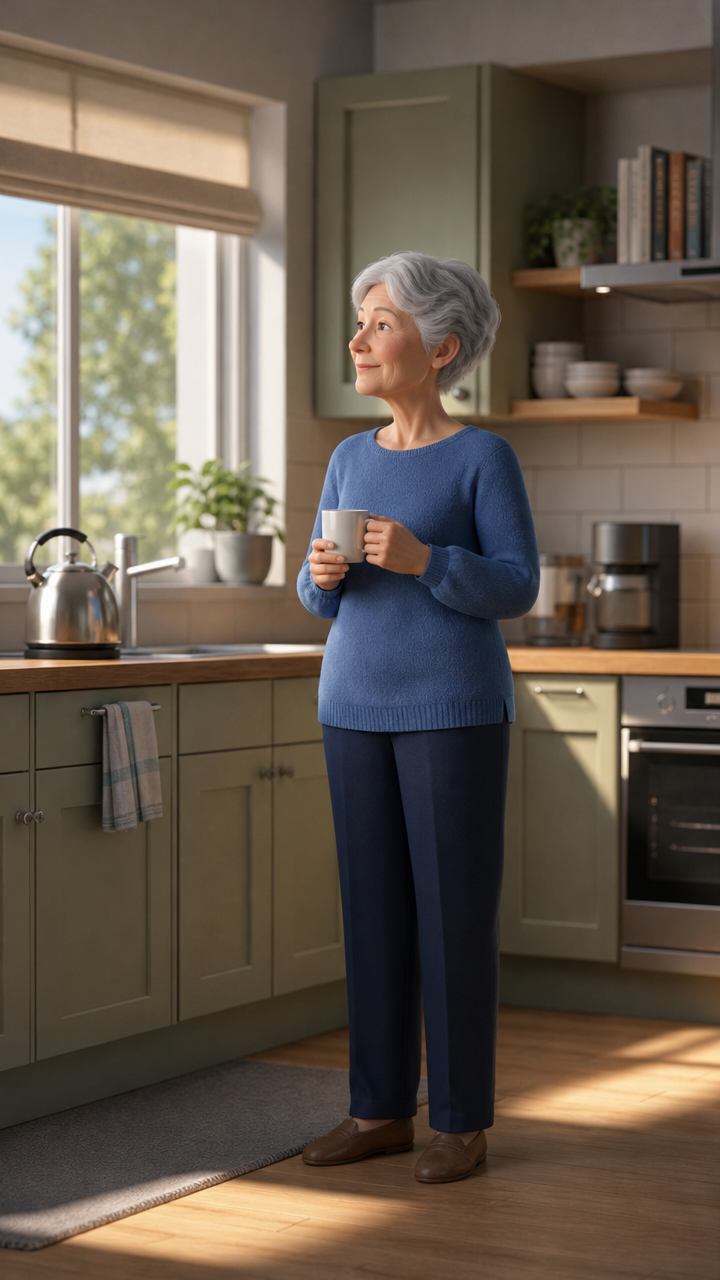
An older woman standing in her kitchen on an ordinary morning
Your circle Who can see how you are doing Peg Wearing the sensor Mary Daughter · full access Tom Care worker · alerts only Peg decides who sees what Sharing can be changed or switched off anytime Invite someone Send an invitation

Step 2 of 14

Your circle

“See how easy it is to stay connected, so family and carers know you are well.”

  • You choose who is in your circle and how much each person sees — everything, or only urgent alerts.
  • Family members and care workers use the same app, so nobody is relying on a phone call being answered.
  • Access can be changed or switched off at any time.
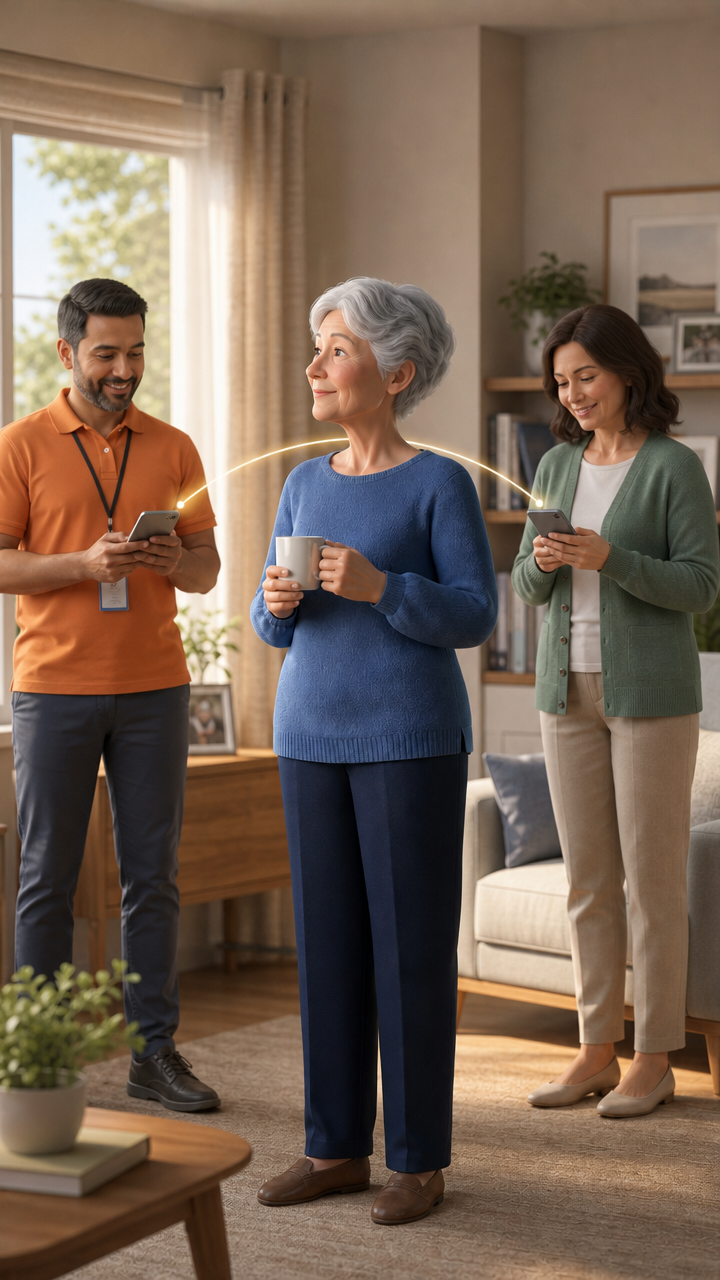
The same woman at home with her daughter and a care worker, both holding phones
Day and night Rest, then movement Sleep this week MTWTFSS Average 7h 0m Daytime movement MTWTFSS Active hours per day Steady pattern

Step 3 of 14

Rest and movement

“Are you resting well at night, and are you mobile during the day?”

  • Night and day are shown together, because one explains the other.
  • A week at a glance makes a pattern obvious in a way a single night never does.
  • The app compares you with your own normal, not with an average stranger.
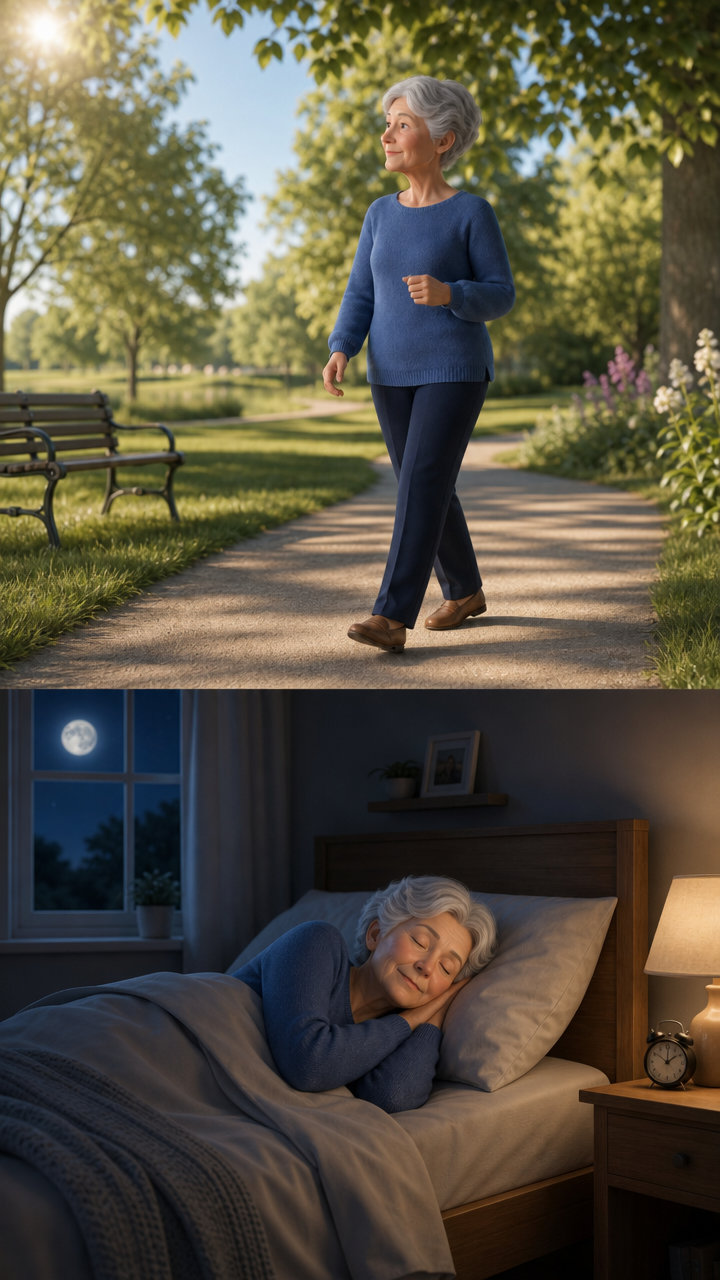
A split scene: walking outdoors by day, asleep in bed by night
Sleep Last night in detail 7h 10masleep In bed 22:40 · up 06:35 Settled 86% of the night Restless periods MTWTFSS Three last night — worth watching Compared with usual Slightly more restless Watch

Step 4 of 14

Sleep in detail

“Are they sleeping well?”

  • Time asleep, how settled the night was, and how often it was interrupted.
  • A run of restless nights is usually the first sign that something else is going on.
  • Carers see the same view, so a conversation starts from the same facts.
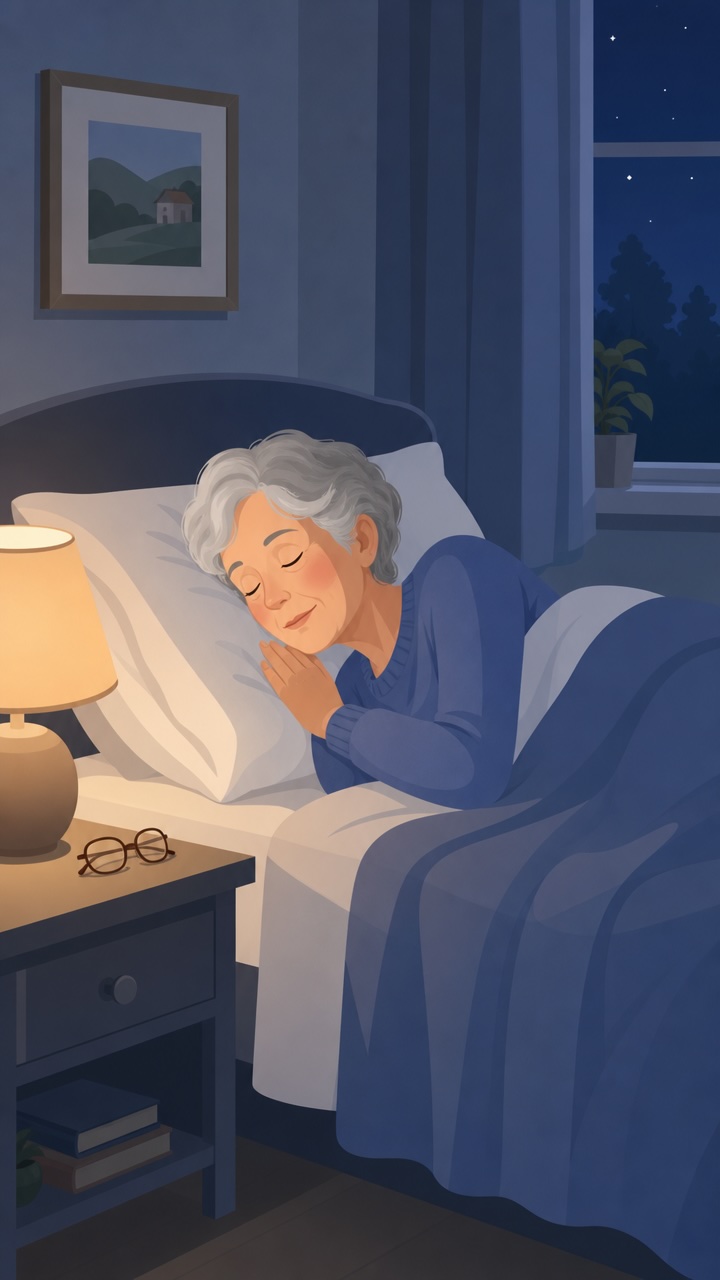
The woman asleep in bed with a bedside lamp on low
Skin health Time spent in one position 24% seated Longest spell 1h 50m in the armchair Reposition Position changes today 8101214161820 By hour of the day Pressure risk Low, with prompts

Step 5 of 14

Skin health

“How is your skin health?”

  • Long spells in the same position are the main risk factor for pressure damage.
  • The app tracks the longest unbroken spell and how often position changes through the day.
  • A gentle prompt is easier to act on than a district nurse visit three weeks later.
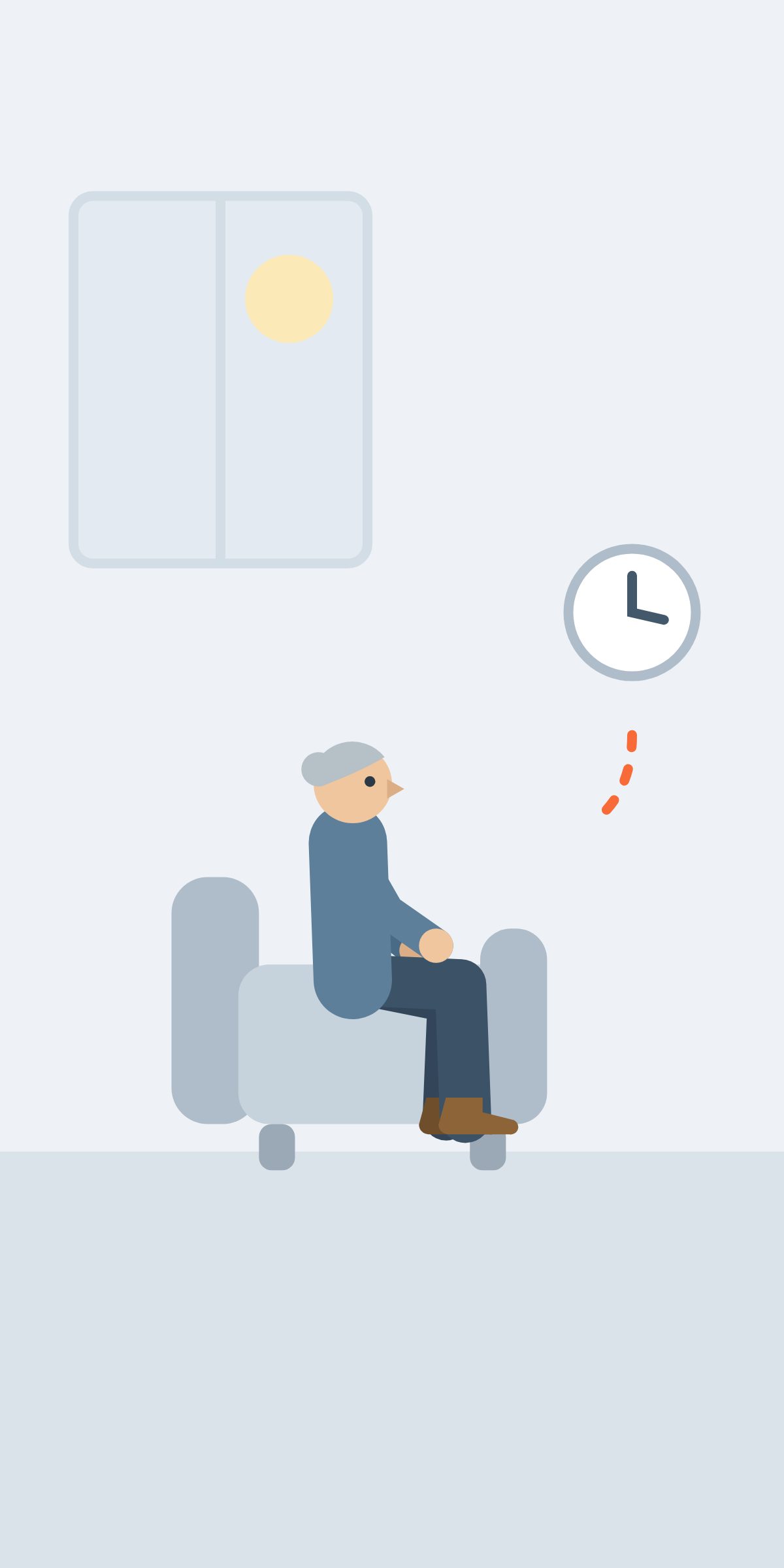
The woman seated in an armchair, with a clock showing time passing
Night-time Trips to the bathroom 2trips Between 22:40 and 06:35 01:15 and 04:40 Trips per night MTWTFSS Average 1.9 — steady Why it matters A change can be an early sign

Step 6 of 14

Night-time trips

“How often did you visit the bathroom last night?”

  • Trips to the bathroom at night are counted and timed.
  • A sudden change can point to an infection, a medication effect or a fall risk in the dark.
  • Shown as a trend, so one unusual night does not cause alarm.
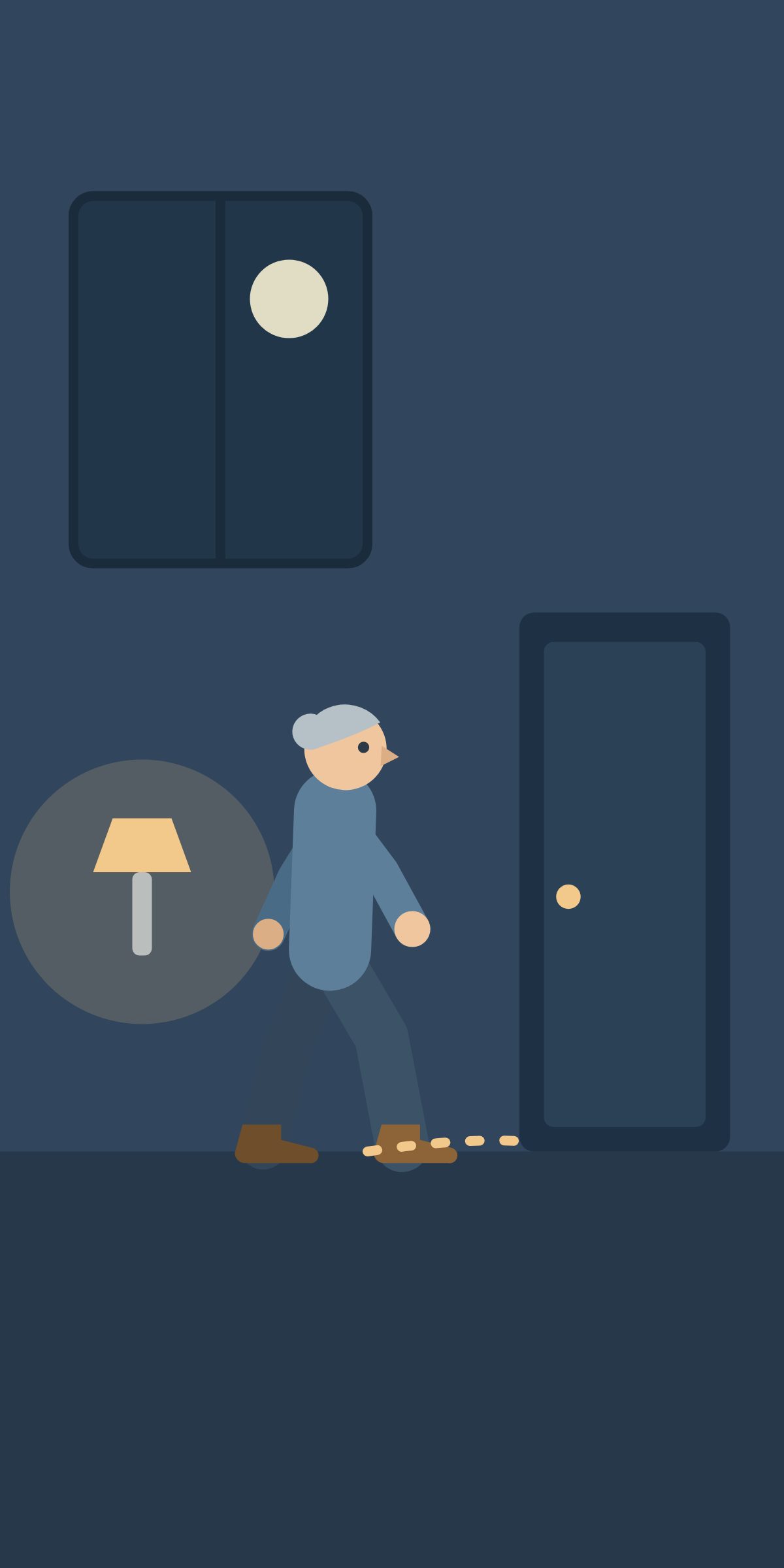
The woman walking to the bathroom at night, lit by a bedside lamp
Getting outside Trips beyond the front door Walk to the shop and back · 35 min Outdoor time this week 3h 10m Trips out 4 of 7 days More than last week

Step 7 of 14

Getting outside

“Are you getting outside to exercise?”

  • Trips beyond the front door are recorded separately from moving around indoors.
  • Time outdoors, number of trips, and how that compares with last week.
  • Getting out matters for strength, mood and appetite, so it is worth counting on its own.
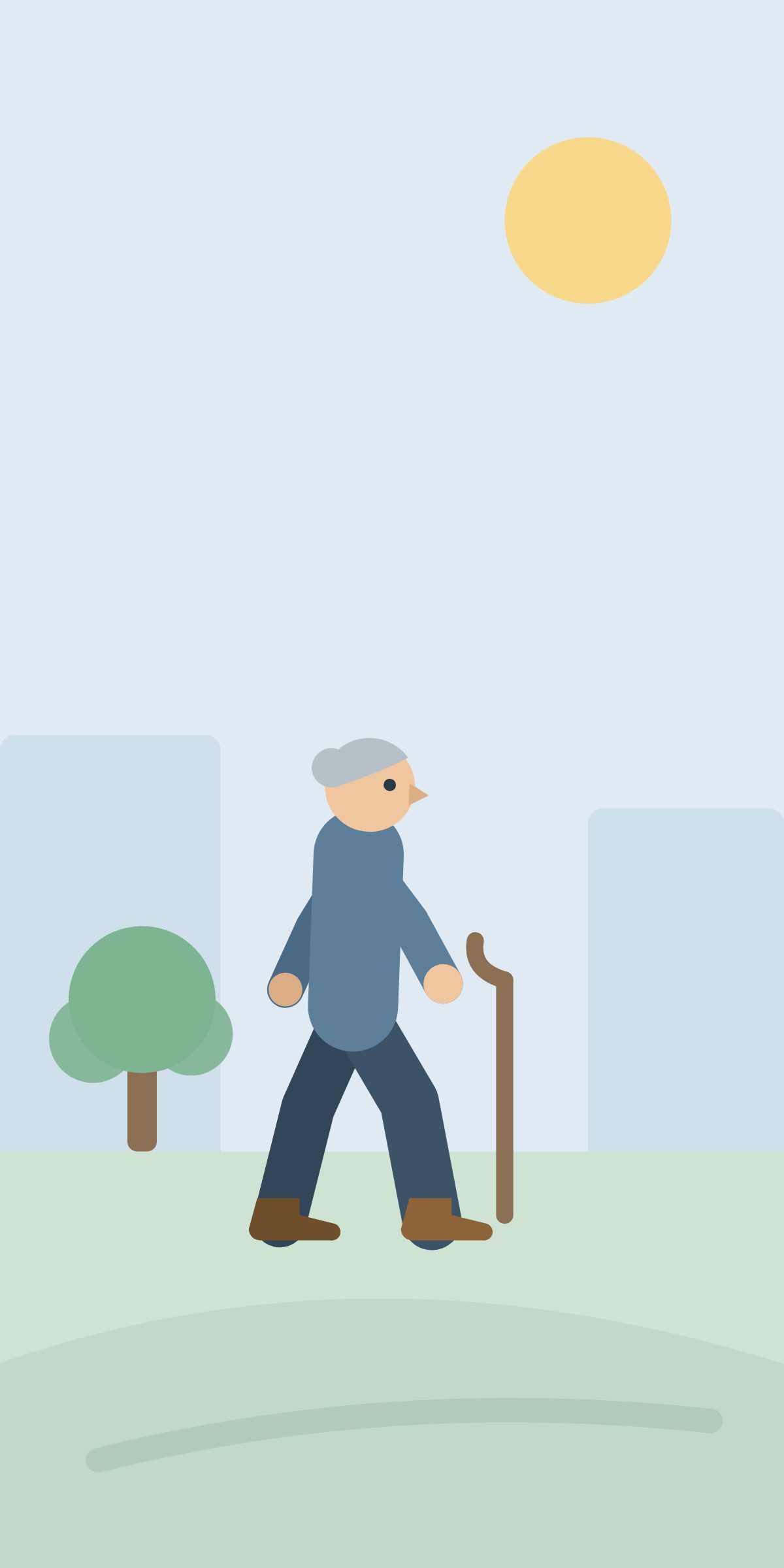
The woman walking outdoors with a stick, past a tree
Company Time with other people 9hthis week Visitors and time out Trending up over seven weeks Mary Visited Tuesday · 2h Day centre Thursday · 3h Quiet weekends — worth a call

Step 8 of 14

Company

“How much are you socialising?”

  • Time with other people — visitors at home, and time spent out.
  • Isolation creeps up slowly, which is exactly the kind of change a weekly trend catches.
  • It also shows the family something useful: the weekends are quiet.
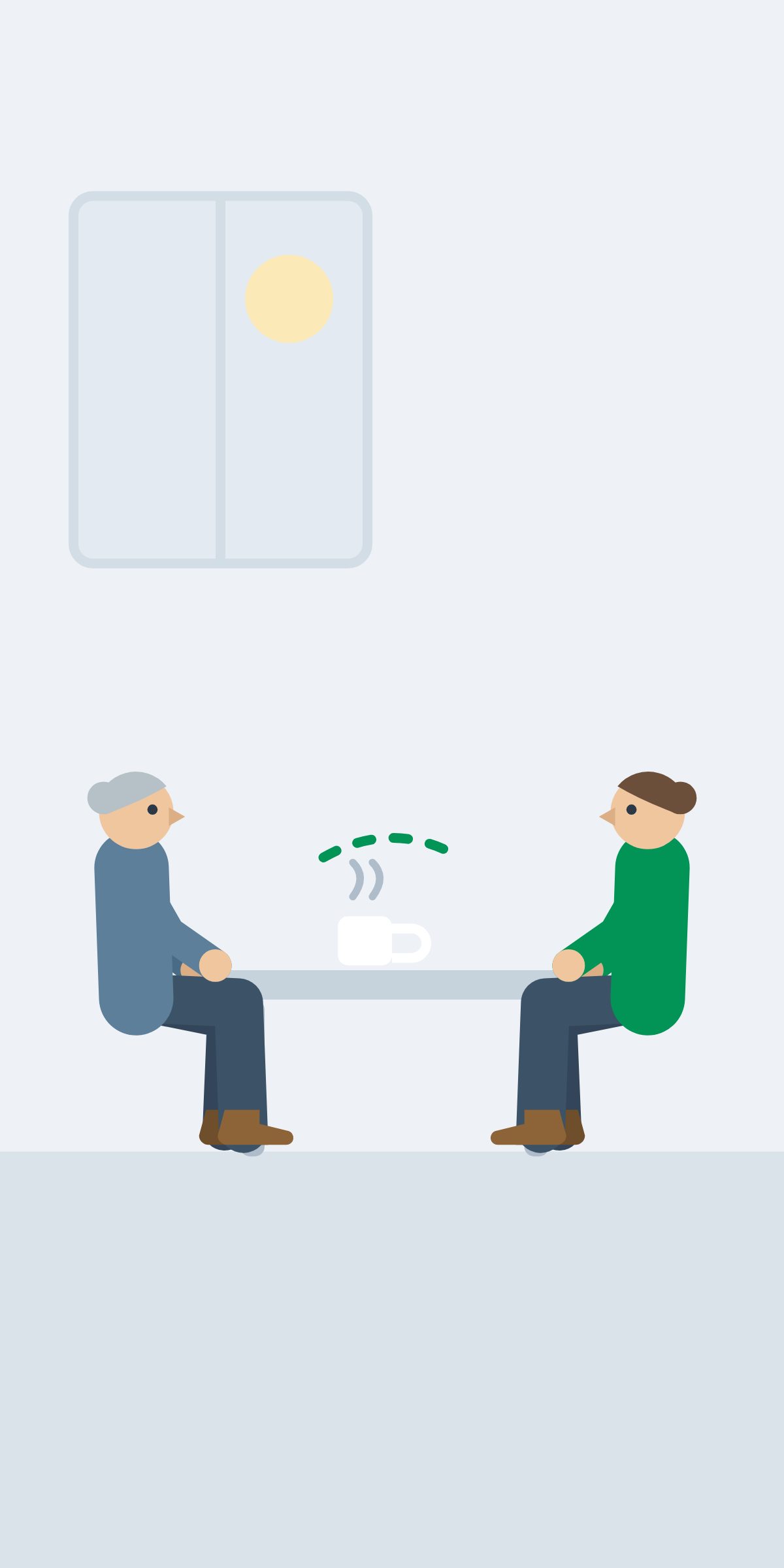
The woman and her daughter having tea at the table
Suggestions Small things that might help Try a short walk after lunch Why: your quietest hours Stand up every hour or so Why: long spells in the armchair Ask about the evening routine Why: restless nights this week

Step 9 of 14

What might help

“The app also gives advice on what might help improve your health.”

  • Suggestions come from your own data, and each one says why it is being offered.
  • Small, specific and doable — a short walk after lunch, standing up every hour.
  • Advice you can ignore, which is rather the point: it is guidance, not instruction.

Suggestions are general wellbeing prompts, not medical advice.

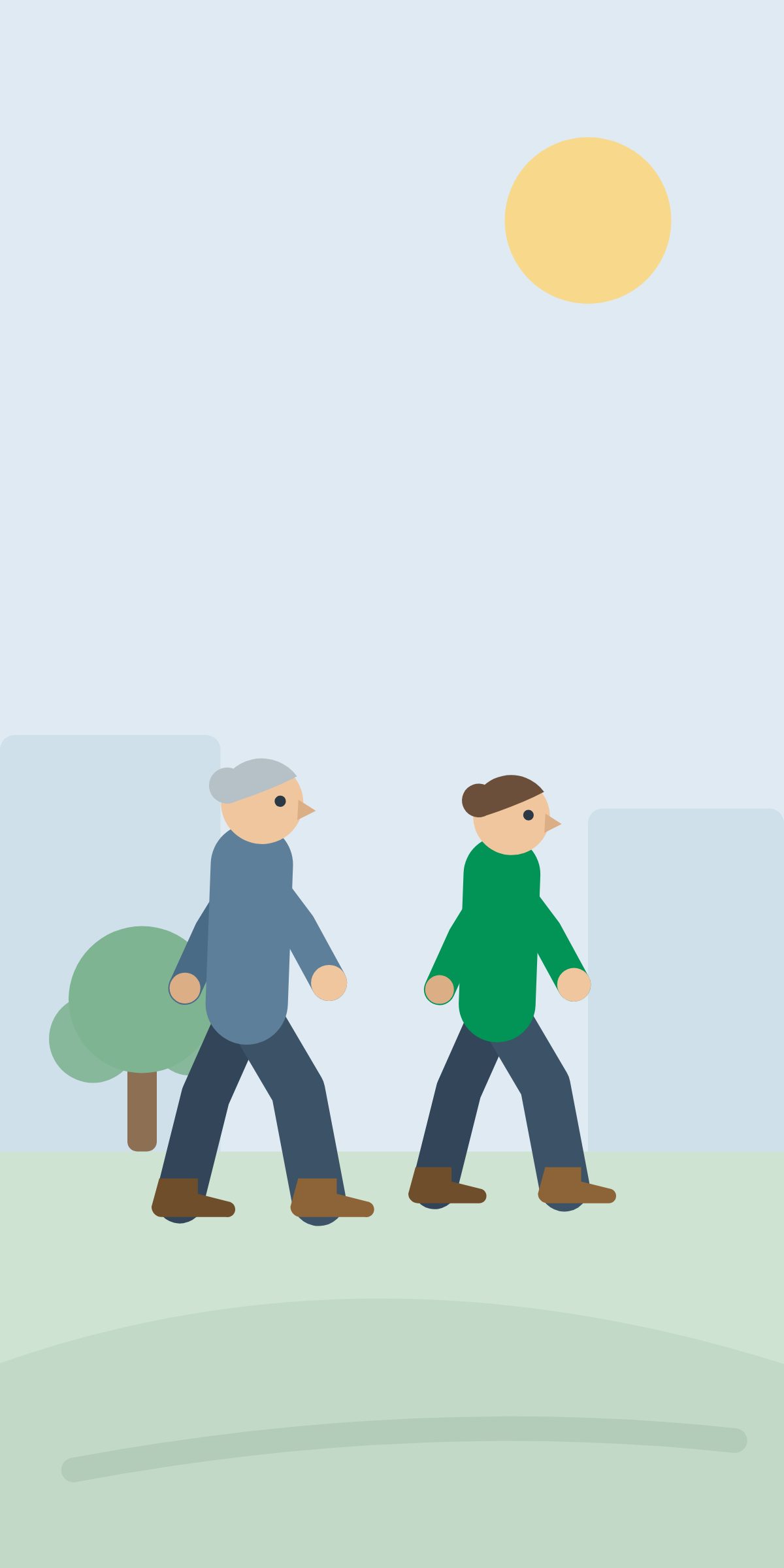
The woman walking outdoors with her daughter after lunch
Reports Inside, outside and the WHO goal Activity by location Inside the home 62% Outside the home 38% WHO weekly target 117 of 150 min Moderate activity 78% of the goal Close Share this report with the GP

Step 10 of 14

Reports

“A set of reports looks at exercise both inside and outside the home, and checks whether you are meeting the WHO goals.”

  • Activity is split between inside and outside the home, because they mean different things.
  • Progress is measured against the World Health Organization’s weekly activity guideline.
  • The report can be shared with a GP or physio, which saves a lot of guessing at an appointment.
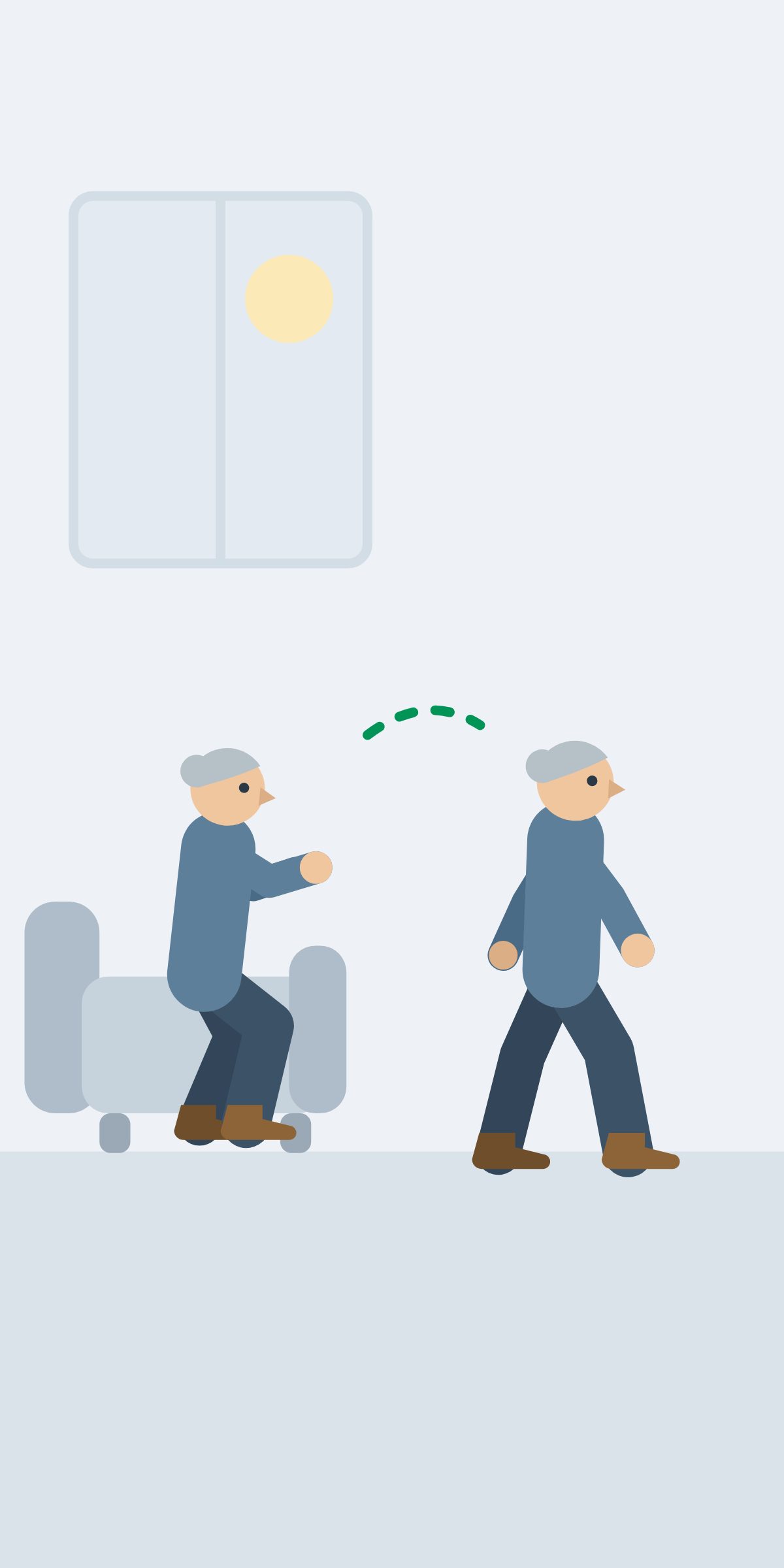
The woman rising from her chair indoors and walking outdoors
Mobility Movement, pace and fall risk 4,120steps Daily average this week 0.9m/s Typical walking pace Normal A slowing pace is an early warning Fall risk Current estimate Low From pace, steadiness and night activity

Step 11 of 14

Mobility

“Are you moving enough? How fast are you getting around? And how likely are you to fall?”

  • Three measures that matter as people get older: how much, how fast, and how steadily.
  • Walking pace is one of the better early indicators of declining health, and it changes slowly enough to spot.
  • Fall risk is an estimate built from pace, steadiness and night-time activity.
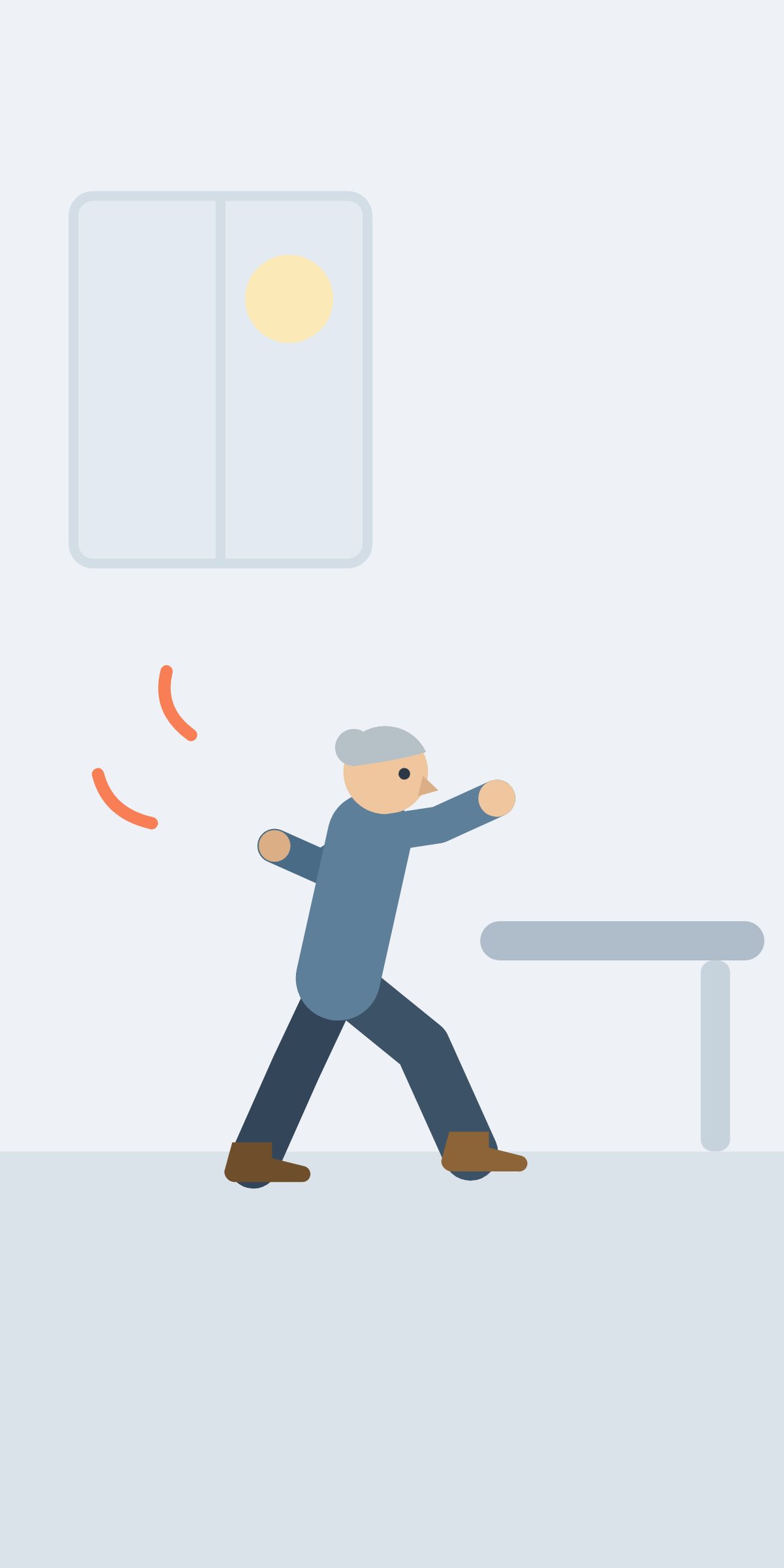
The woman stumbling and catching herself against the worktop
Always watching Analysis runs day and night Last 24 hours Asleep Active Resting No gaps in cover, no cameras What the pattern shows Compared against Peg’s own normal Mary Sees the same picture Updated continuously

Step 12 of 14

Watching around the clock

“Carers cannot be there all the time, but Pacsana analyses the data 24/7.”

  • The analysis runs continuously, including the hours when nobody is in the house.
  • It compares today against the person’s own established pattern rather than a generic threshold.
  • Family and carers see the same picture, updated as the day goes on.
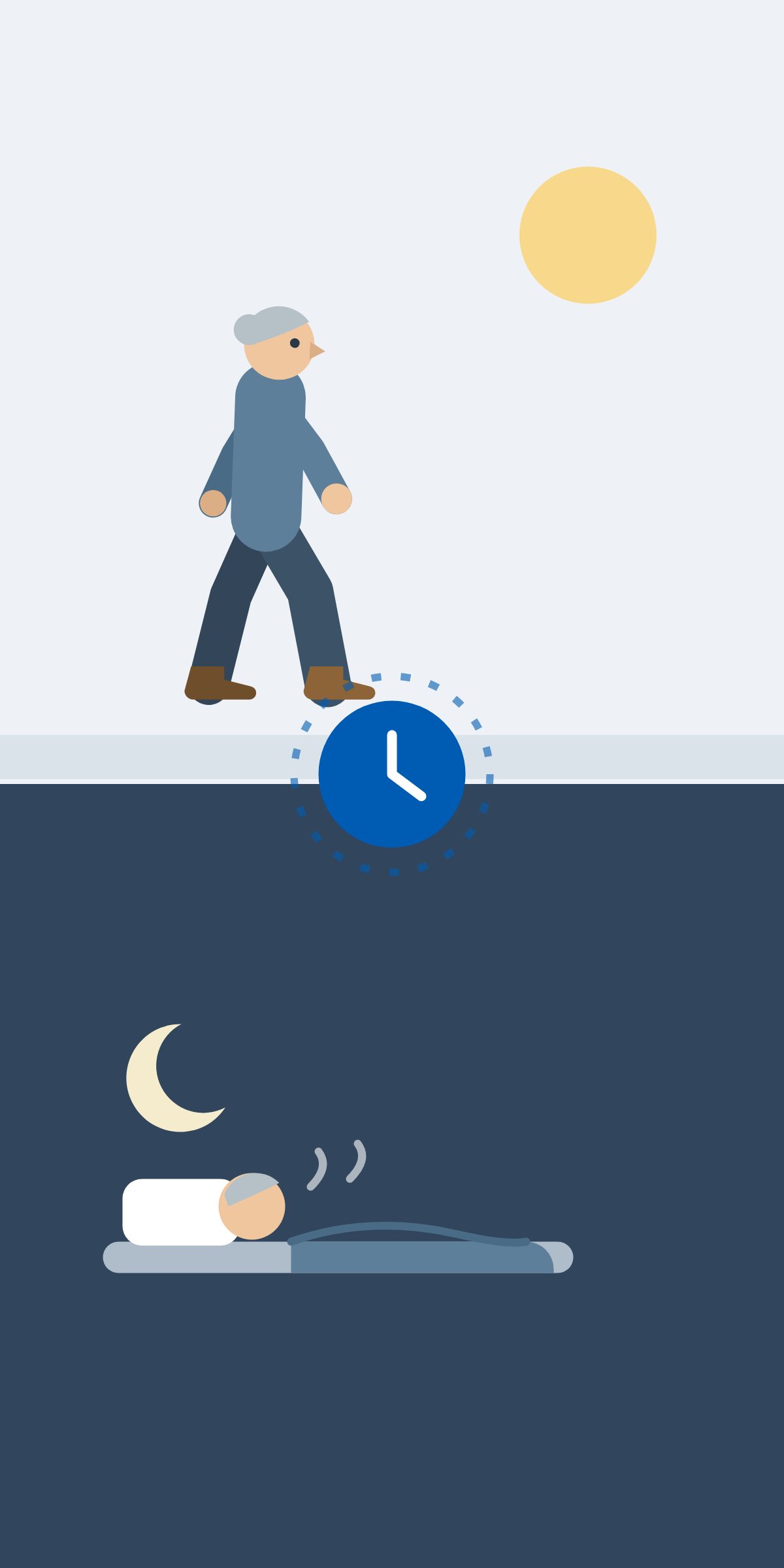
Day and night together: walking above, asleep below, a clock between
Alerts Told as it happens No movement since 09:10 Usually active by 08:00 Tap to call Peg Left the house at 21:40 Later than usual Back home at 22:15 Settled for the night Who gets told, and when Mary — all alerts On Tom — urgent only On

Step 13 of 14

Alerts as they happen

“And they can be notified of specific events that happen in real time.”

  • Specific events trigger a notification: no movement when there should be, leaving the house late, returning home.
  • Each person in the circle chooses which alerts they receive, so nobody is woken for a normal night.
  • Every alert says what happened, when, and what is unusual about it.
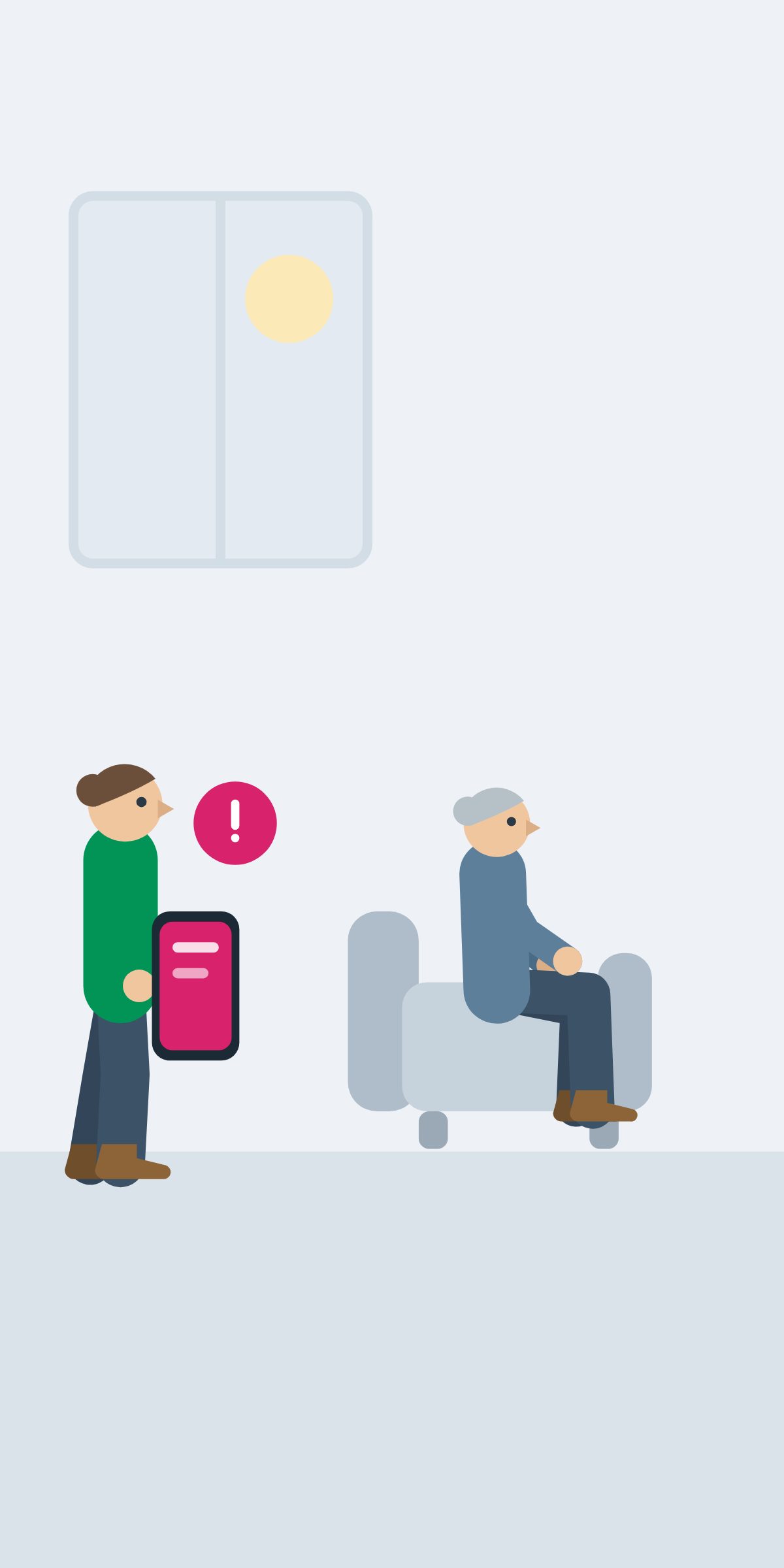
The daughter receiving an alert on her phone while her mother sits at home
Peace of mind For Peg, and for everyone else All well today Nothing needs your attention Mary Checked in at 08:05 No news really is good news Eyes and ears when you cannot be there

Step 14 of 14

Peace of mind

“Pacsana gives peace of mind, acting as their eyes and ears when family or carers cannot be there.”

  • Most days, the answer is simply that everything is fine — and knowing that is the point.
  • The person keeps their independence and their privacy. The family stops guessing.
  • When something does change, everybody hears about it early enough to do something.

Eyes and ears when you cannot be there.

The woman and her daughter together at home

Sample walkthrough for demonstration. The screens are mock-ups drawn for this demo, not the real product, and all names, times and figures are invented.